Jembere’s Cultural Nationalism
Are you a nationalist, my dear reader?
Do you take pride in being Ethiopian?
If so, how do you voice this pride of yours?
Do you see your country, and by extension yourself, as being unique or exceptional? Is Ethiopia your very own source of personal hubris?
Or do you choose to express your love of country in other, more grounded ways?
Well, most of us who grew up in Ethiopia are very aware of our particular brand of nationalism.
We know how our nationalists talk about our country.
They take pride in the fact that we were never colonized.
They love to remind us how old our culture is, that Ethiopia’s roots are deep, strong, and very resistant to outside influences.
They are quick to point to our Ethiopian calendar, our written script, and our indigenous knowledge as evidence of our superiority—that all these traditions are the hallmarks of a uniquely advanced society.
They might even point to our old religious traditions as proof that Ethiopia isn't just a unique country, she’s also "የቃልኪዳን ሀገር".
Invariably, this nationalistic pride hardens into a shallow, self-congratulatory narrative that goes a little something like this:
“We have a culture that’s so distinct, so self-containted, and so unchanging that it makes it better than other cultures. Especially African ones.”
Sounds familiar, doesn't it?
But very few of us are aware of a different kind of nationalism that was being articulated by our forefathers.
The kind that does not build on this chauvinistic understanding of Ethiopian culture. But one that is grounded in a more nuanced account of our cultural history.
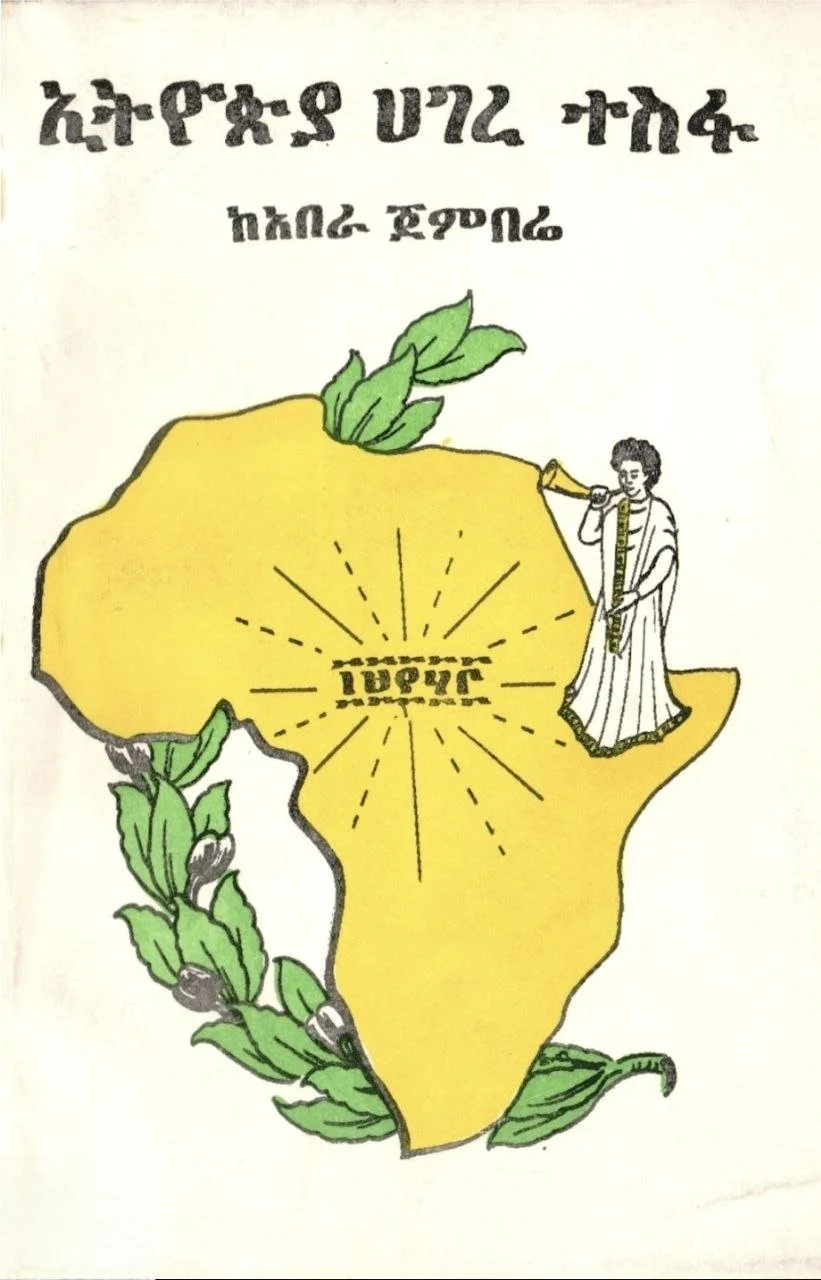
This summary will try to highlight this overlooked school of thought by telling you about its most compelling articulation: ዶ/ር አበራ ጀምበሬ’s “ኢትዮጵያ ሀገረ ተስፋ”.
Published in 1953, “ኢትዮጵያ ሀገረ ተስፋ” isn't a famous book. Although written by a very famous man, we tend to associate ዶ/ር አበራ ጀምበሬ with legal scholarship, civil service, and high ranking government positions.
Rarely, if ever, do we see him as a cultural commentator.
But at the age of 33, ዶ/ር አበራ ጀምበሬ would publish this forgotten piece of work, giving us a different take on cultural nationalism that’s, in my opinion, very instructive to contemporary Ethiopians.
How, you ask?
Well, for starters, let’s see how “ኢትዮጵያ ሀገረ ተስፋ” describes “ባህል”. It doesn't describe it as something that’s easy to categorise or something that’s above criticism.
It doesn't instruct us to take pride in our culture by doing what our nationalists do: by reducing it to something that’s fixed, easily definable, and never in need of change.
Instead, “ኢትዮጵያ ሀገረ ተስፋ” begins by defining Ethiopian culture as a complex and contradictory mix of attitudes, norms, and social practices. It's a collection of differences, not a monolith of uniform beliefs, that’s the essential feature of our culture.
Which, to ዶ/ር አበራ ጀምበሬ, ultimately resulted in a “ልማደ ሀገር” that carries both constructive and destructive traditions. And it’s the hallmark of a “superior” culture to understand this and to constantly discern which traditions to keep, which to reform, and which to abandon altogether.
As he put it:
“በጠቅላላውም ባህል ማለት ሥጋዊም ሆነ ወይም መንፈሳዊ ፤ አልሚም ሆነ ወይም አጥፊ ማንኛውንም የሰውን የሥራ ፍሬ ሁሉ የሚጠቀልል ልማዳዊ ድርጊት ነው። ባህልም ከሰውና ከአካባቢው የሚገኝ ውጤት እንደ መሆኑ መጠን ከትውልድ ለትውልድ የሚወራረስ ፤ እንደዚሁም የሚሻሻል ወይም የሚሟላ የራሱም የሆነ አቋም ሊኖረው የሚችል ነገር ነው። ስለዚህ ክፉና በጎውን አበጥሮ በመለየት የተጣራ ባህል ማበጀት የሠለጠነ ሕዝብ ለመባል የሚያበቃና አንቱ የሚያሰኝ የከበረ ሀብት ነው።”
This reformist understanding of culture is also reinforced by another important theme in the book; one that would very much unsettle our culturally conservative nationalists.
You see, ዶ/ር አበራ ጀምበሬ didn't believe that the Ethiopian culture developed in isolation.
It was neither the purity of our culture nor its isolation from the wider world that made Ethiopia, to use the words of our vocal Ethiopianists, “unique” or “superior”.
Instead, he argued that it's cultural interaction, not cultural insulation, that made our culture so remarkable.
By pointing to Ethiopia’s rich cultural history, our diverse customs, and our favourable geographic location, “ኢትዮጵያ ሀገረ ተስፋ” makes a persuasive argument as to the value of cultural exchange.
Especially when it's the type of exchange that pulls from such a wide variety of traditions:
“ኢትዮጵያ በጂኦግራፊ አቀማመጡዋ ብዙ ጠቀስ (ኮምብሌክስ) ሀገር እንደ መሆኑዋ መጠን ፤ ሥልጣኔዋም ሥሉስ ጠባይ ቀመስ ነው። ኢትዮጵያ በኤደን ስርጥ (ገልፍ) እና በቀይ ባሕር ጉሮር ላይ የምትገኝ ሀገር ናት። እነዚህም ሁለት ስርጦች በጥንቱ ጊዜ ለውጭ ሥልጣኔ መግቢያ ክፍት በሮች ሁነዋል። ስለዚህ አፍሪካዊ ፥ ምሥራቃዊና ፥ ምዕራባዊ የሆኑ ጥንታውያን ሥልጣኔዎች አንድነት ተዋሕደው ታላላቆቹን ሦስት ሥልጣኔዎች ጠቀስ ወይም ቀመስ የሆነ ኢትዮጵያዊና ብሔራዊ ባህለ ሀገር (ካልቸር) አስገኙ።”
And so, when read as a whole, “ኢትዮጵያ ሀገረ ተስፋ” presents us with a refreshing take on nationalism that’s very instructive to modern day Ethiopians.
By trying to engage with, rather than ignore, the complexity of our culture, ዶ/ር አበራ ጀምበሬ reminds us that there is a better way of being proud of our country.
A way that doesn’t see cultural diversity, cultural reform, and cultural exchange as a threat to Ethiopian culture. But one that sees these cultural realities for what they truly are: an integral part of what makes Ethiopia so special.
So the next time you run into a chauvinistic, isolationist, conservative nationalist, be sure to tell them about ዶ/ር አበራ ጀምበሬ.
Tell them about his book from 1953.
Tell them about his unique brand of cultural nationalism.
And tell them why he kept referring to our country as “ኢትዮጵያ ሀገረ ተስፋ”:
“ከሦስቱ ታላላቅ ሥልጣኔዎች ተጨምቆ የተዋጣው የኢትዮጵያ ብሔራዊ ባህል የተሟላ በመሆኑ ፤ ኢትዮጵያ ለሌሎች ልትተርፍ ወይም ልታካፍል የምትችለው ቅርሰ ሀገር ስለሆነ ፤ አፍሪካውያን ይህን ጠቃሚ ባህል እንዲገበዩ ኢትዮጵያ እጆችዋን ዘርግታላቸዋለች።”