Abate’s Diverse Ethiopia
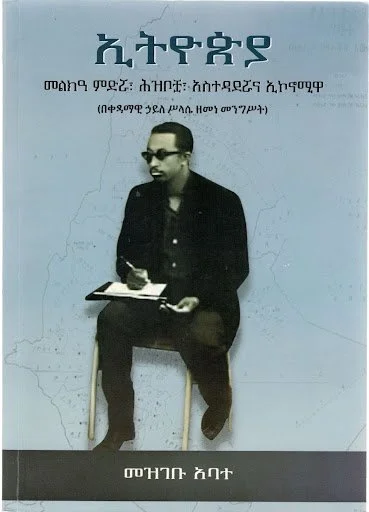
On a June afternoon in 2025, a much anticipated book launch was held at the prestigious Ras Mekonen Hall at Addis Ababa University.
The Hall was packed with prominent figures from all walks of life: from well-known journalists, lifelong academics, respected religious leaders to even the former president of Ethiopia.
All in attendance to honour the life and legacy of መዝገቡ አባተ, one of Ethiopia’s most prolific writers and journalists.
Known for his thought provoking articles, his captivating novels, and his rigorous journalism, መዝገቡ አባተ was one of those less celebrated yet very influential literary figures.
He was, for many Ethiopians, the type of writer who informed their worldview just as much as he captured their imagination.
Which is why the launch of his final book was attended by so many people, even though the book itself was being released many years after his passing.
Titled “ኢትዮጵያ፡ መልክዓ ምድሯ ፣ ሕዝቦቿ ፣ አስተዳደሯና ኢኮኖሚዋ”, this ambitious project was billed as his most important and extensive work.
Especially by those speaking at the event.
Take Professor ብርሃኑ ደቦጭ for example, a prominent historian and lead editor of the book. For him, the importance of “ኢትዮጵያ፡ መልክዓ ምድሯ ፣ ሕዝቦቿ ፣ አስተዳደሯና ኢኮኖሚዋ” stemmed from the sheer volume of its source material, as the book drew from over 1,700 pages of መዝገቡ አባተ’s diaries, field notes, news reports, and feature articles.
All of which he started writing in 1942, at the young age of 19.
Though for Professor ጥላሁን ተሾመ, the former Dean of Addis Ababa University’s School of Law, it was the grand scope of the book that earned his praise. As the book had succeeded in recording the geographic, cultural, administrative, and economic landscape of all four corners of our Country.
Building on this point, Professor Emeritus ባህሩ ዘውዴ would commend መዝገቡ አባተ for doing something that no other Ethiopian had done before. That is, for documenting Ethiopia’s complex and diverse reality in a way that was so detailed, so rigorous, and so scientific that “ኢትዮጵያ፡ መልክዓ ምድሯ ፣ ሕዝቦቿ ፣ አስተዳደሯና ኢኮኖሚዋ” will now be the go to reference book for many historians.
This would lead Professor ሰለሞን ሙሉጌታ, the former Dean of Addis Ababa University’s College of Social Sciences, Arts and Humanities, to conclude the book launch by summarising 50 years of research like this:
“ ይህ የመዝገቡ አባተ መጽሐፍ በጣም ድንቅ ፣ አይነቱ የማይገኝ ትልቅ የመረጃ ምንጭ ነው። ይህም በመሆኑ በውስጡ ያጨቃቸው ዘርፈ ብዙ ከቦታ ቦታ የተለያዩ የመልካምድር ፣ የግብር አከፋፈል ስርዓቶች ፣ የሕዛብ አሰፋፈር ፣ ባህላዊ ፣ አስተዳደራዊ እና ኢኮኖሚያዊ መረጃዎች ለብዙ አይነት የሶሻል ሳይንስ ጥናቶች እና ምርምሮች እንደ መንደርደሪያ ወይም እንደ ግብአት ሊያገለግሉ የሚችሉ ናቸው። ”
So, I bought the book.
I read it.
And I'm here to tell you, my dear reader, to go read it too.
Especially if you're someone who's interested in our culture.
You see, in today's Ethiopia, where culture is seen as something that's very obvious and very easy to define, cultural conservatism has taken a particular kind of form.
It has become reductive. It has become rigid. And, most often than not, it has become judgmental, routinely using a shallow understanding of our culture to judge others.
And while our conservatives do acknowledge Ethiopia's cultural diversity, they rarely allow that fact to shape their worldview.
Resulting in a kind of “common sense” conservatism that's more interested in making sweeping generalizations about our culture than trying to make sense of its complexities.
This is most evident in how our conservatives talk about marriage, divorce, and the role parents should play in their children's marital life.
ሽምግልና, for our Christian conservatives, is an Ethiopian rite of passage that must be brought back in a way that's more respectful and deferential to our elders, thereby giving more authority to the families of the intended.
For this is, to them, the Ethiopian way of life.
ፍቺ, for our self-appointed moral guardians, is a stain on the Ethiopian sense of morality and must therefore be discouraged, stigmatized, and restricted as much as possible.
Just like the good old days.
And while they may not openly object to 18 being the minimum age for marriage, our ፍትሐ ነገሥት fundamentalists don't see this legal requirement as being sufficiently “ሀገር በቀል”.
In their view, that honor belongs to their ፍትሐ ነገሥት, which they believe accurately reflects an Ethiopian culture that sees nothing wrong with girls getting married at a much younger age.
But መዝገቡ አባተ shows us the error of this type of “common sense” conservatism.
He reminds us that Ethiopia is home to 77 ጎሣዎች that have, for generations, believed that a woman should only get married once she turns 18.
Not 12.
Not 15.
18.
He also reminds us that Ethiopia has over 148 ጎሣዎች that, for better or worse, don't allow family members to have any say in whom their daughter marries.
For them, it's her choice and hers alone to make.
And finally, he reminds us how divorce was so commonplace in Ethiopia that there's even one ጎሣ that only allows women, not men, to divorce.
Hard to believe, right?
In this respect, “ኢትዮጵያ፡ መልክዓ ምድሯ ፣ ሕዝቦቿ ፣ አስተዳደሯና ኢኮኖሚዋ” is an important wake-up call for those of us who are in the habit of confusing our religious customs with our Ethiopian culture.
They are neither synonymous nor interchangeable with one another, no matter how influential these customs may be.
Instead, these religious, and at times regional, customs are part of a larger national culture. One that's also home to other, strikingly different traditions.
And it's up to us to be curious enough to actively engage with all of Ethiopia's traditions, rather than just romanticize the ones we grew up in.
So the next time you run into a “common sense” conservative, one that judges others for not being “Ethiopian enough”, tell them about መዝገቡ አባተ.
Tell them about this incredible book.
Tell them about the many communities that live and think differently than them.
And ask them whether all these people aren't “Ethiopian enough” either.