Mill’s The Subjection of Women
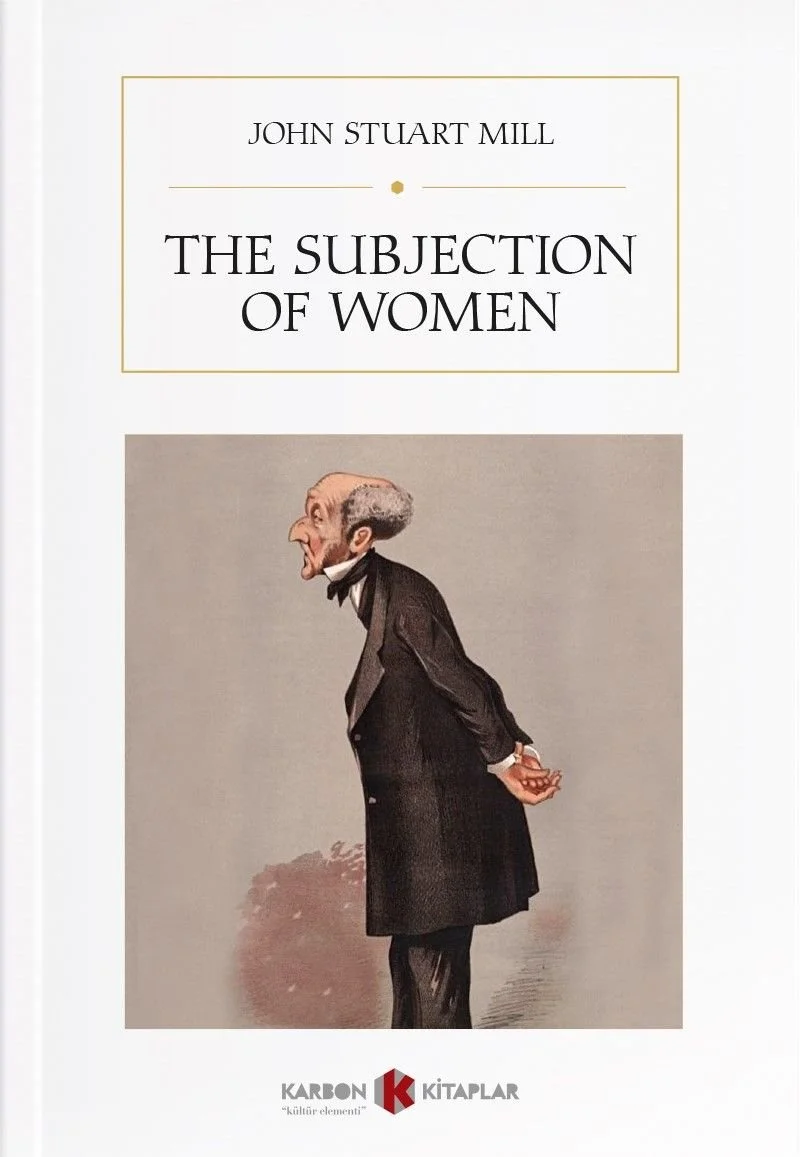
Subjection
noun :
As in conquest, the act or process of bringing someone under one's control.
origin :
1300–1350; Middle English, from Latin subjectio (a throwing under)
Subjection isn't a word we use in our everyday conversations.
But it's been on my mind recently, especially since reading John Stuart Mill’s book on this very phenomenon.
Published in 1869, “The Subjection of Women” isn't as popular, nor as widely discussed, as his more canonical works.
Go talk to your politically minded friends or family (like I have), go listen to your favorite political figure (like I've had to), or go seek out those political analysts and their popular shows (like I wish I didn't) and you'll quickly notice one thing.
You’ll notice that Mill's other works, like “Principles of Political Economy”, “On Liberty”, and “Utilitarianism”, have left a far more lasting impression.
Especially in Ethiopia.
In this respect, Mill has become a sort of touchstone for our politically minded, philosophically inclined yet argumentative countrymen who have a particularly annoying habit: the habit of referring to themselves as Ethiopia’s political “elites”.
He has, in effect, become their theoretical armor. He has become their rhetorical weapon of choice. But, more importantly, he is who they rely on to dominate political discussions.
However, in their rush to gain cheap victories and even cheaper credibility, our self-appointed “elites” have overlooked a few things.
They’ve overlooked a book that is as profound as it is far-reaching.
They’ve overlooked Mill’s deeply held beliefs about those values that we so readily associate with democracy. Values like equality, freedom, and autonomy.
And they’ve overlooked the fact that these values don't just apply to the political sphere. He also extended them to the social, the cultural, and even the most private aspects of our lives.
Which is why “The Subjection of Women” is a must-read for those Ethiopians who fancy themselves as defenders of democracy.
It will challenge your belief that democratic values should only be invoked when it's about our political rights.
It will make you question why words like subjection, repression, and oppression are only ever used to criticize state power.
And, most crucially, it will draw you to a very important institution that isn't usually seen through the lens of democratic values: ትዳር.
By focusing on the relationship between husband and wife, “The Subjection of Women” confronts you, me, and our self-appointed political “elites” with a very important question:
If we can't uphold these values within our own homes, if we can't practice equality in our most intimate of relationships, how can we seriously claim to defend the rights and freedoms of strangers?