A few months ago, I was sitting in a small café trying, hopelessly, to get some work done when a group of friends sat next to me.
They were young, loud and extremely opinionated.
I tried not to listen to their conversation. At least at first. But since my writing wasn't really going anywhere, I welcomed this unexpected distraction.
They, on the other hand, didn't notice me at all. Or any of the other customers for that matter. They sat down, ordered some drinks, and before the waiter even had a chance to leave, they were at each other's throats.
Debating is a word that could describe what happened next. Bickering is another. Though a showdown would be a much more accurate description.
They sat facing one another, animated and defiant, arguing endlessly about “የሀገራችን ነባራዊ ሁኔታ".
They spoke about Ethiopia in very extreme terms. War, class, sexism, religion, education, any and every topic of social import was up for debate.
They were, to put it mildly, creatures of extreme convictions; confident and combative, conversing for nearly two hours in a language of foregone conclusions and well-rehearsed certainty.
Which is why the longer they stayed in that café, the more things escalated. Every argument and counterargument, insult and provocation, was designed to either dismantle or, if that failed, ridicule the other's deeply held beliefs.
So how, my dear reader, could I ever resist their company?
But, as time went by, I realized that these three friends were no strangers to their combative ways.
In fact, they seemed to love it.
They seemed to enjoy the twists and turns of their usual back-and-forths. It was like they knew where this familiar road would eventually end.
And so, with the café’s full attention in the palm of their hands, with each customer quietly eavesdropping on their every word, and all of us expecting a dramatic finish to their chaotic showdown, these three friends would surprise us all.
They wouldn't come to blows.
They wouldn't part ways on bad terms.
Instead, after nearly two hours of going at each other, they would bring it all to an end like this:
The progressive among them, confident in his enlightened views, declared:
“ባህላችን ጥሩም መጥፎ ነገሮች በውስጡ እንደያዘ ሁላችንም አሁን እናውቃለን። ጥሩዎቹ ሲጠቅሙን መጥፎዎቹ ደግሞ ዛሬ ያለውን የሀገራችንን ችግሮች ከመፍጠርም አልፈው እንዳባባሱትም መረዳት አያቅተንም። አባቶቻችን ይህንን ማየት አልቻሉም ፤ በዛም ምክንያት ይሀው እንደ ሀገር ዋጋ እየከፈልን ነው፡፡ ከሁሉም የሚገርመኝ ግን እኛም እንደነሱ መሆናችን ነው። እኛ ኢትዮጵያኖች ባህላችንን መቀየር እንኳን ባንችል እንዴት ነው ባህላችንን መተቸት የሚያቅተን?”
The conservative, with an air of superiority, interrupted his friend and strongly objected:
“አይ አንተ ደግሞ! ባህላችን ምን መጥፎ ነገር አለው? ቢኖረውስ ይህን ያክል ምትወቅሰው ነው? እንዲያውም ልንገርህ ፤ የአባቶቻችንን ባህል ብንጠብቅ ኖሮ ችግሮቻችንን በፈታልን ነበር! አንተም ተሳስተህ ከምታሳስት እንደ አባቶቻችን ሁን። እነሱን ከእኛ ጋር አታወዳድራቸው። አባቶቻችን እንደ አንተ በሁሉም ነገር ላይ ጥያቄ እያነሱ ሕይወታቸውን አያወሳስቡም ነበር። የተረከቡትን ባህል እያጣጣሙ ተወልደው ያደጉበትን ማህበረሰብ እያከበሩ በሰላም ፤ በፍቅር ይኖሩ ነበር እንጂ በትችት ስም ከራሳቸውም ፤ ከሀገራቸውም ጋር አይጣሉም ነበር።”
Leading to the group’s self-appointed “academic” to scoff at his peers and have his final say:
“እናንተ ሁለት ደግሞ መቼም አትቀየሩም ማለት ነው? What do I always tell you guys? Progressive, conservative, social reform, collective morality ምናምን ስትባባሉ ሁሌ ምትረሱት ነገር አለ። Critical thinking! እኛ ኢትዮጵያኖች ስንባል የትምህርት ደረጃችን ውስን ነው። ባባቶቻችንን ጊዜ እማ ተወው! የመጠየቅ ፤ ምክንያታዊ ነው ወይ የማለት ፤ ይህ ነገር ያዋጣል ወይ ፤ ወደየት ሊወስደን ይችላል ፤ cosቱ ምንድነው ፤ benefiቱስ የማለት አቅም አልነበራቸውም። ለምን? የትምህርት ጉድለት ስለነበራቸው ነዋ! አሁንም የትምህርትን importance ከዘነጋችሁት ያው ፤ ወደድሽም ጠላሽም መጨረሻሽ እንደ አባቶቻችን መሆን ነው። Sorry!”
The other two would laugh at this final jab, pay their bill and leave the café as abruptly as they entered it.
No rebuttal, no final reckoning, no real resolution.
It was as if these three friends, unbeknownst to the rest of us, had reached some kind of agreement along the way. A kind of silent understanding, one that somehow forced all the bravado and extreme opinions out of their system.
The question is, what did they agree on?
Confused, I turned to an elderly man sitting next to me and asked him this very question.
He calmly replied:
“ምነው ልጄ ፤ ምን እንዳሉ አልሰማህም? ሦስቱም እኮ አባቶችህን ሰድበው ነው የሄዱት! አይገርምህም? ምንም ያክል ቢለያዩ ፤ ምንም ያክል ቢጭዋጭዋሁ ፤ ይህን ያክል ጊዜ ሳይስማሙ ቢቆዩ ፤ ንቀት ግን በመጨረሻ ላይ አስማማቸው።”
Are you confused, my dear reader?
Don't worry, I was too.
I couldn't make sense of what that elderly man was trying to tell me. I couldn't figure out how the progressive agreed with the conservative, how the academic found common ground with the progressive or how in the world the conservative was insulting our ancestors.
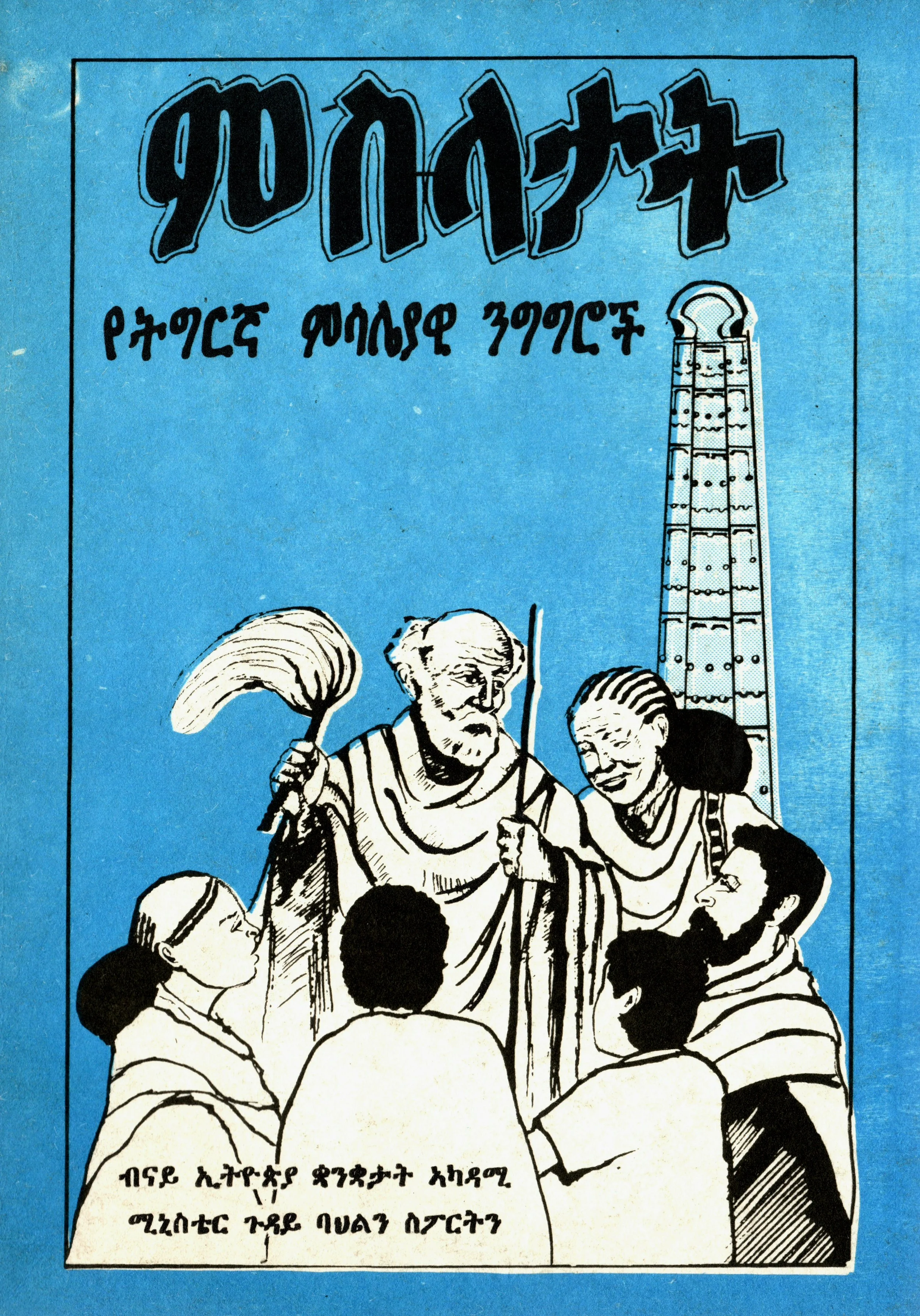
That is, until I read a fascinating book called “ምስላታት፡ የትግርኛ ምሳሌያዊ ንግግሮች”.
Published in 1985 by የኢትዮጵያ ቋንቋዎች አካዳሚ, ምስላታት is a rich collection of proverbs that aims, in part, to do this:
“የኢትዮጵያ ብሄር ብሄረሰቦች ባህላቸውን፣ ታሪካቸውን፣ ወግና ልማዳቸውን ከትውልድ ወደ ትውልድ የሚስያተላልፉት በስነቃል አማካይነት እንደ መሆኑ ይህንን የህዝብ ሃብት ሰብስቦ ማሳተም ከአካዳሚው አይነተኛ ተግባራት መካከል አንደኛው ነው።”
By documenting the values and beliefs of traditional Ethiopian society, ምስላታት is one of those rarefied books that can make you laugh, reflect and wince, all at the same time.
But what makes it a must-read for modern Ethiopians is how it challenges some of our deeply held assumptions.
Especially when it comes to our ancestors.
You see, for one reason or another, we tend to oversimplify the Ethiopia of the past.
Sometimes, in very patronizing ways.
We imagine a society frozen in time, bound by tradition and collective morality, with little appetite for what we consider to be more “modern” ideas. You know, things like critical thinking, deep introspection and challenging conventions.
We then project onto its population a set of limitations.
In our minds, we see our ancestors as being products of their time; relics from an age of cultural rigidity and moral certainty, where the need to maintain social harmony and the absence of Western education kept them from examining the world they lived in.
The progressive builds on this assumption and calls them ኋላ ቀር.
The conservative reinforces it by arguing that any expectation of critical thinking is to impose “modern” standards on those who came from a much simpler time.
And right when he starts to admire our ancestors for their supposedly conventional ways, the academic laughs, takes the so-called “enlightened” route and dismisses them for not being educated enough.
Yet, for all their posturing and loud disagreements, these three Ethiopians seem to agree on one thing:
They believe that ideas like critical thinking, self-reflection and questioning prevailing attitudes were somehow alien to traditional Ethiopia.
But ምስላታት complicates this.
With over 5,000 proverbs, this book shows us a different side of traditional Ethiopia.
A much more complex side.
And after finishing ምስላታት, I finally realized what that elderly man was trying to tell me:
Our ancestors weren’t just products of their time. They weren't some naive, uneducated conformists that were uncritical of their way of life.
Well, at least not all of them.
Some were sharp enough to see the harm that was being caused by our longstanding cultural norms, our rigid social hierarchies and our appetite for social coercion and passive compliance.
Which is why you will find many proverbs in ምስላታት that actively call for critical inquiry (መጠየቅ), social discernment (ማስተዋል), constructive skepticism (መጠራጠር) and rigorous systematic analysis (መመርመር).
Others were perceptive enough to apply these insights to more concrete social realities. Which is why you will find many proverbs challenging the social issues that inform “የሀገራችን ነባራዊ ሁኔታ”.
But it doesn’t stop there.
You see, ምስላታት reminds us that even in traditional Ethiopia, there were those who understood why we should question the status quo. They understood that a healthy society cannot be built on forced conformity, structural inequalities and romanticised myths about our country.
Which is why you will find many proverbs exposing the flaws in our social order. Things like elitism, economic exploitation, performative morality, judicial corruption, autocratic leaders, family hierarchies, our cult of smart, migration, economic opportunism and social exclusion all fall squarely within ምስላታት’s wheelhouse.
Why?
Because creating a sense of belonging and extending broad protections to those in need wasn't some foreign concept to our ancestors. Instead, they were the basis for creating a stronger, more resilient Ethiopia.
Surprising, right?
All in all, ምስላታት is a must-read for any modern Ethiopian, regardless of their worldview.
If you are a conservative, ምስላታት will help you understand the important difference between respecting our ancestors and patronizing them. It will help you recognize how traditional Ethiopia wasn’t some utopia of moral certainty and social harmony.
And far from being naive or uncritical subjects of custom, ምስላታት will show you how our ancestors were sharp, candid observers who didn't just submit to the conventions of their day.
They also actively interrogated them.
If you are a progressive, ምስላታት will make you appreciate our ancestors for thinking critically about themselves, other people and the conditions they lived in.
And instead of seeing traditional Ethiopia as a dark age of blind obedience and limited thought, you might find some of your most cherished beliefs being shared by those you were quick to dismiss.
But if you’re a self-styled academic, it’s high time you live what you preach and educate yourself by reading this book of proverbs.
Resist the comforts of conventional wisdom and intellectual hubris. Understand that critical thinking, self-reflection and intellectual curiosity were never reserved for the modern, educated Ethiopian.
And instead of dismissing traditional Ethiopia as uncritical and incurious, take a deep breath, humble yourself and take ምስላታት’s most important lesson to heart:
“ከተማረ ፤ የተመራመረ”